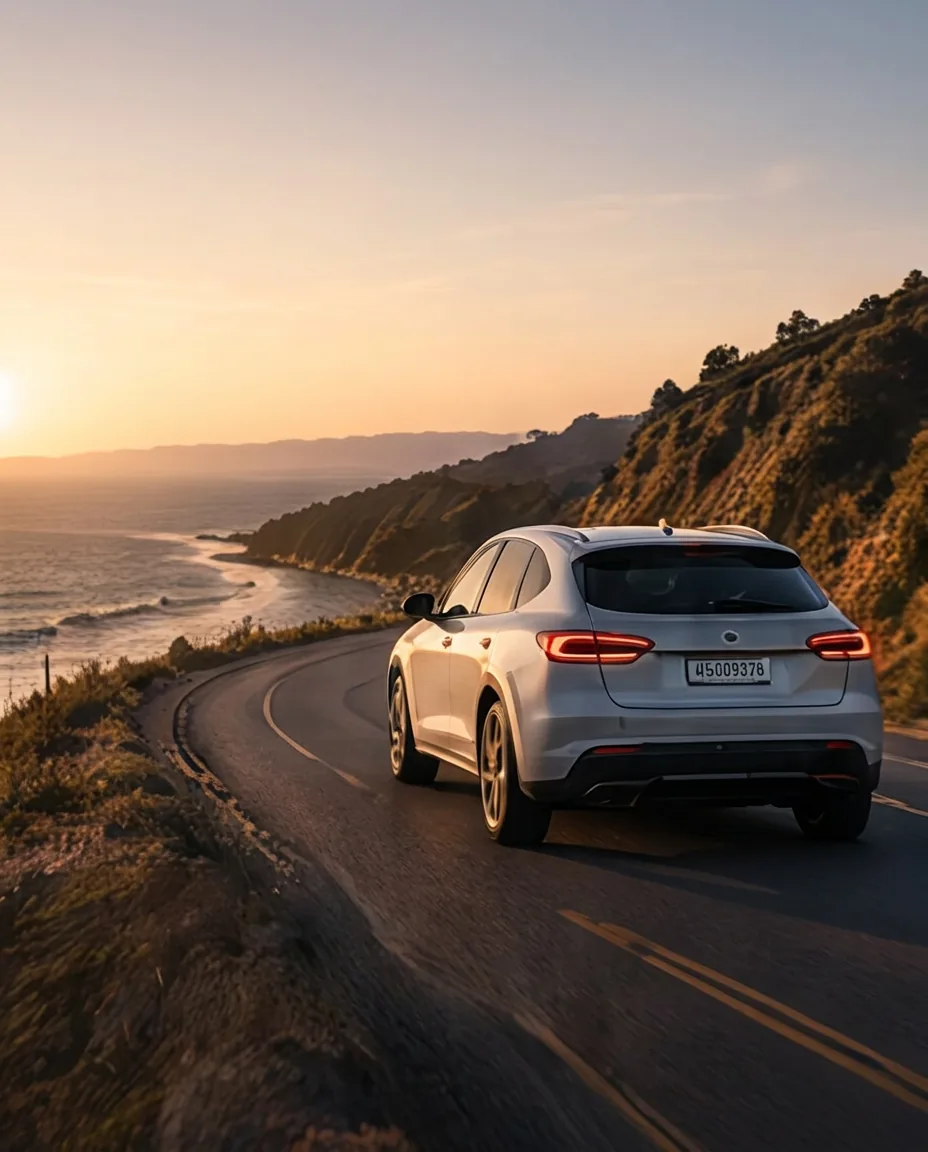
The range shown on a window sticker or dashboard comes from standardized test cycles. Those cycles are useful for comparing vehicles, but real roads introduce variables the model cannot see in advance.
What moves the number
- Speed: aerodynamic drag grows quickly with speed, so highway pace costs more energy than city driving.
- Temperature: cold weather reduces battery output and efficiency, and cabin heating draws power as well.
- Terrain and load: climbs, headwinds and cargo all increase consumption.
- Vehicle condition: tire pressure, battery age and driving style shift real-world range over time.
Planning with a margin
Experienced EV drivers treat the estimate as a planning tool, not a guarantee — leaving room for a closed charging stop or an unplanned detour. A reserve exists for exactly that margin: when the plan runs out of slack, stored energy is the backup that gets you to working infrastructure.